SBI’s JPYSC Yen Stablecoin Enters Final Q2 Launch Window As Japan’s Digital-Yen Race Tightens
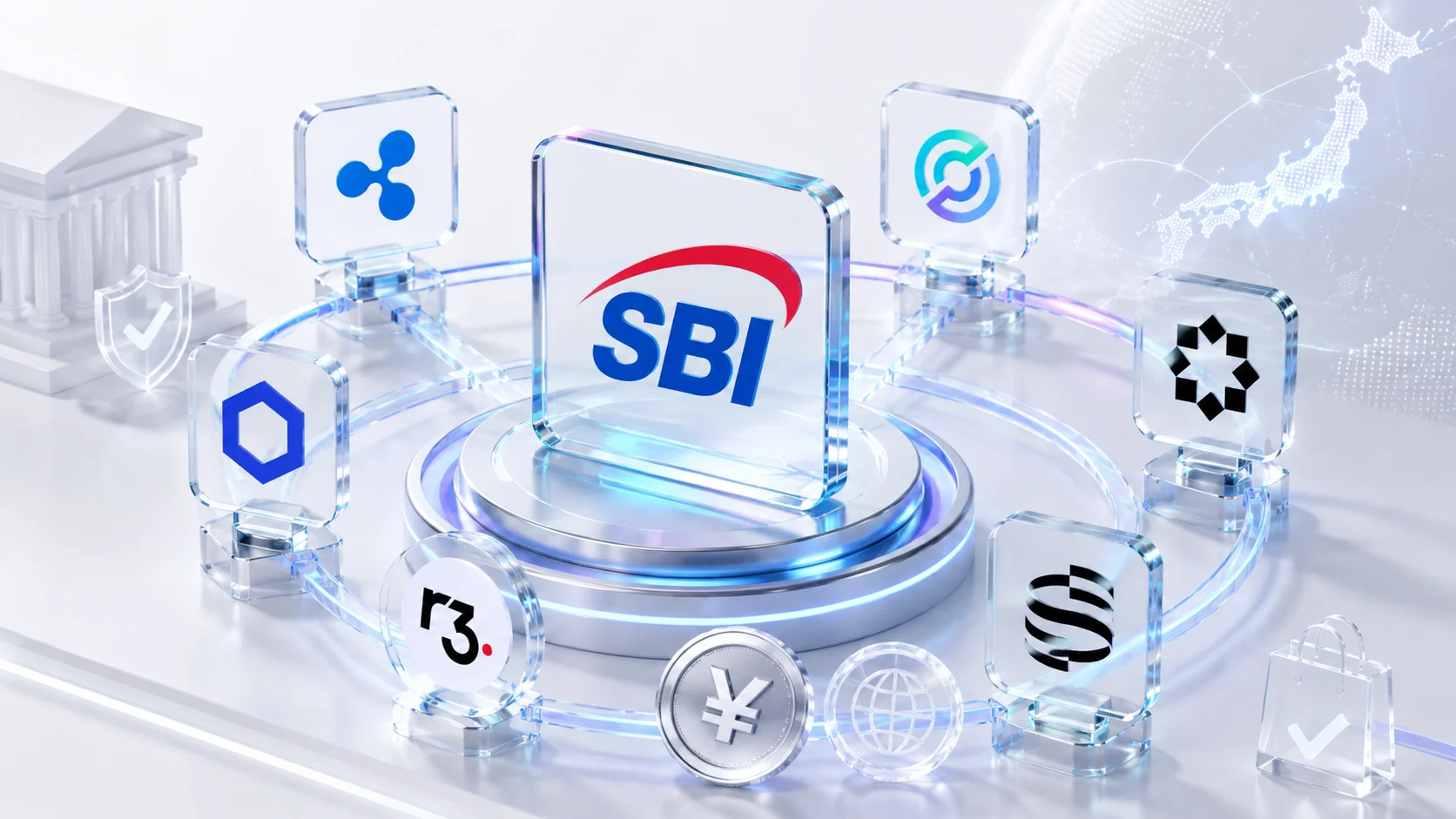

SBI Holdings and Startale Group’s Japanese yen stablecoin, JPYSC, has entered the final stretch of its Q2 launch window, putting one of Japan’s most closely watched regulated digital-yen projects back in focus.
The two companies unveiled JPYSC in February as a trust-based stablecoin issued by Shinsei Trust & Banking under Japan’s regulatory framework. SBI VC Trade is set to serve as the primary distribution partner, while Startale is leading the technical build. The official launch remains tied to the completion of required regulatory approvals.
The structure separates JPYSC from looser offshore stablecoin models. The project is designed as a trust-structured Type III Electronic Payment Instrument, with issuance through a trust bank rather than a lightly regulated token issuer. That makes the token especially relevant for enterprise settlement, tokenized assets and cross-border payments, where redemption rights, reserve custody, compliance controls and distribution channels decide whether institutions can actually use the asset.
SBI and Startale first signed the yen-stablecoin MOU in December, targeting a regulated digital yen that could operate across traditional financial systems and blockchain networks. The design also avoids the ¥1 million domestic remittance and balance limit attached to some lower-tier payment instruments, giving the project a clearer path toward larger corporate and institutional settlement use cases.
SBI’s Crypto Network Runs Through Ripple, Circle And Chainlink
JPYSC is not arriving as a standalone experiment. SBI has spent years building a digital-asset network across payments, stablecoins, tokenized securities and institutional infrastructure.
SBI’s own stablecoin and blockchain links include a strategic Circle investment and USDC distribution push in Japan, long-running Ripple exposure through SBI Ripple Asia, and prior investments in R3 and Securitize. The same notice said SBI Holdings invested in Ripple Labs in 2016, established SBI Ripple Asia that year, invested in R3 in 2017, and invested in Securitize in 2019.
Those links give JPYSC a broader distribution story. Circle provides dollar-stablecoin infrastructure, Ripple gives SBI a long-standing remittance and XRP Ledger relationship, R3 connects to permissioned financial-institution systems, and Securitize anchors regulated securities tokenization. SBI’s more recent Chainlink partnership added tokenized real-world assets, tokenized funds, proof-of-reserve and regulated-stablecoin use cases to the group’s infrastructure stack.
That matters for Japan’s onchain finance race because the strongest stablecoins are rarely just payment tokens. They need issuers, distributors, wallets, exchanges, compliance systems, reserve verification, banking relationships and useful settlement destinations. Chainlink’s SBI Group RWA partnership already put cross-chain institutional assets into that frame, while SBI Ripple Asia’s XRP Ledger work in tokenized tourism and commerce shows how SBI has been testing digital settlement beyond ordinary crypto trading.
Japan’s Stablecoin Market Is Moving Beyond Dollar Liquidity
Japan already has one live yen-stablecoin precedent through JPYC, while the country’s megabanks are also preparing joint stablecoin infrastructure for corporate settlement. JPYSC would add a separate bank-trust structure aimed at larger, regulated use cases rather than retail-only payment flow.
The timing also fits the wider tokenization cycle. Regulated stablecoins are becoming the cash leg for tokenized funds, private credit, equities, commodities and settlement systems. Securitize’s STAC expansion to Solana showed how institutional tokenized products are spreading across public-chain infrastructure, while the broader tokenized RWA market has already crossed $31 billion across Treasuries, credit, funds, commodities and equities.
A yen-denominated trust-bank stablecoin would give Japanese institutions a domestic settlement asset for that market instead of forcing everything through dollar tokens. The first practical use cases are likely to center on treasury operations, business payments, cross-border settlement, fund movement and tokenized-asset distribution, not everyday consumer checkout.
JPYSC’s launch path is now tied to a narrow set of named parties: Shinsei Trust & Banking as the issuer and redemption entity, SBI VC Trade as the distribution partner, and Startale as the technical lead. The stablecoin is still waiting on final regulatory clearance inside the Q2 launch window, with issuance expected to begin once approvals are complete. SBI’s next concrete disclosure will need to show the actual launch date, supported chains, redemption terms and first circulating yen supply.