Coinbase Activates Hyperliquid USDC Treasury Wallet As AQAv2 Rollout Advances
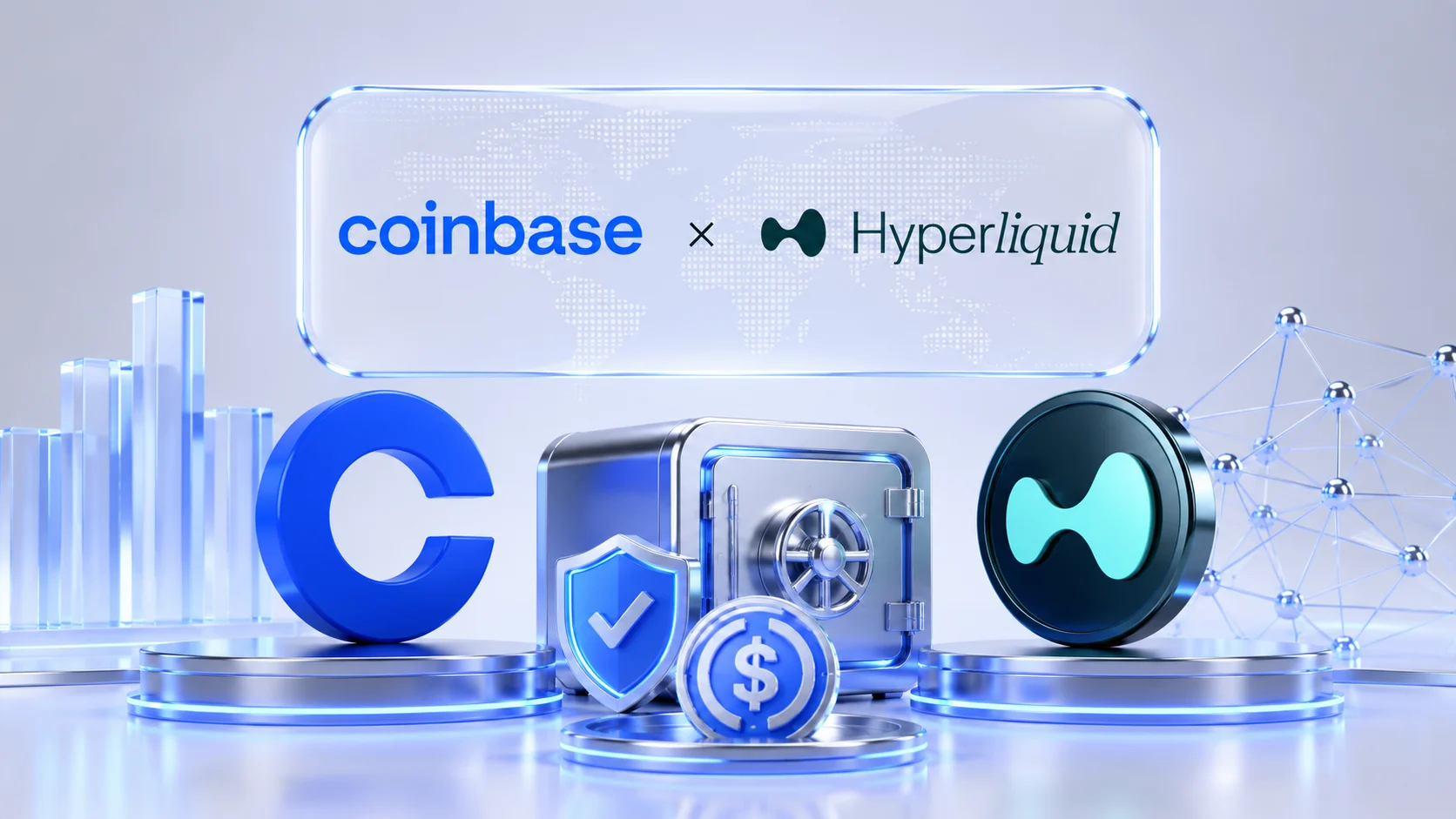

Coinbase is now the official deployer of Hyperliquid’s USDC treasury wallet, marking a key step in the network’s shift toward USDC as its aligned quote asset.
The exchange said it will begin activating AQAv2 from two addresses: 0x4E5319dEb1072B01439EE674db5C321d11fd96F8 and 0xc20699185c15D0a2fD65779BB5d69f5b0B113c00. The move connects Coinbase directly to Hyperliquid’s stablecoin treasury structure as the protocol moves deeper into a USDC-centered market design.
Coinbase’s broader Hyperliquid plan makes USDC the main aligned quote asset across the ecosystem, with Native Markets granting Coinbase the right to purchase USDH brand assets as USDH markets are gradually phased down. Users can continue converting USDH into USDC or fiat through the migration process, while USDC becomes the cleaner liquidity base for future market activity.
For Hyperliquid, the update is less about a simple wallet change and more about market structure. A single, deeply liquid quote asset can reduce fragmentation, improve execution quality and give traders a more consistent collateral and settlement layer across spot and perpetual markets.
AQAv2 Links Stablecoin Liquidity To Protocol Revenue
AQAv2 is designed to align stablecoin issuers, liquidity and protocol economics. Under Hyperliquid’s aligned quote asset framework, stablecoins can receive trading benefits while sharing reserve income back with the protocol. That turns stablecoin supply into a direct economic layer rather than only a passive balance sitting inside the exchange.
Coinbase’s role gives Hyperliquid a major U.S.-based stablecoin and custody infrastructure partner. Circle is expected to handle the technical deployment layer around CCTP and native cross-chain infrastructure, while Coinbase carries the USDC treasury deployer role tied to the aligned quote asset framework.
That matters because Hyperliquid’s growth has already been tied to fee capture, liquidity depth and token economics. The protocol’s buyback model remains one of the clearest revenue-linked narratives in DeFi, with HYPE and ASTER showing how different buyback structures can produce very different market reactions.
AQAv2 gives that story another layer. If USDC liquidity keeps growing on Hyperliquid, reserve-yield sharing can add another revenue stream beside trading fees, builder revenue and perp activity.
Hyperliquid’s Stablecoin Stack Gets More Institutional
The Coinbase update lands while Hyperliquid is already drawing heavier attention from traders, funds and builders. Bitwise CIO Matt Hougan recently argued that Hyperliquid was being undervalued as HYPE held near $60 and investors reassessed the protocol’s fee capture, volume and market-share position.
The protocol is also expanding beyond its own front end. OpenSea’s planned Hyperliquid-powered perpetuals launch shows how Hyperliquid’s trading engine can become infrastructure for outside applications, not only a standalone perp DEX.
USDC treasury deployment fits that same direction. Builders need liquidity that is deep, predictable and easy to route. Traders need collateral that does not split execution across too many quote assets. Protocol token holders want revenue pathways that are visible enough to support the HYPE thesis without relying only on speculative volume spikes.
USDH Sunset Clears The Liquidity Path
The transition also changes the role of USDH. Native Markets says USDH remains fully backed and functional during the migration, with feeless conversion routes into USDC and fiat for eligible users. USDH markets are expected to sunset over time as builders and users move toward USDC order books.
That process will be important to watch because stablecoin migrations can create liquidity gaps if users, market makers or app deployers move at different speeds. Hyperliquid’s advantage is that the migration is tied to a larger liquidity and incentive framework rather than an isolated token swap.
The immediate signal is clear. Coinbase has moved from announcement to activation, Hyperliquid’s USDC treasury wallet now has official deployer addresses, and AQAv2 is becoming a live part of the protocol’s market structure. The next test is whether USDC consolidation strengthens liquidity enough to support Hyperliquid’s next wave of markets, apps and HYPE demand.