Bitcoin Microtransactions Hit 80% As Runes And Alkanes Flood Block Space
Bitcoin’s network is seeing a sharp rise in small-value activity, with transactions below 0.01 BTC now making up about 80% of daily Bitcoin transactions, up from less than half of activity in 2023.
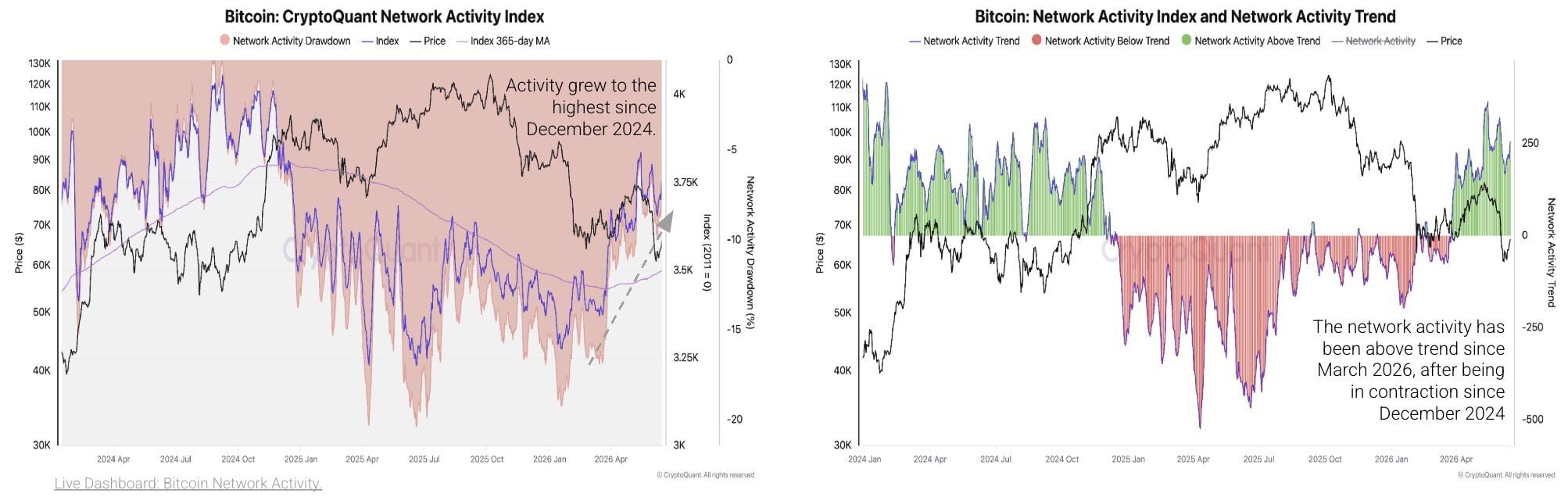
The shift has pushed daily transaction counts above 800,000 and refilled the mempool with roughly 128,000 pending transactions, the largest backlog since late February 2025. The surge is concentrated in low-value transactions rather than large BTC transfers, showing that the current activity wave is being driven more by protocol usage than whale settlement.
Bitcoin traded near $62,700 at the time of writing, leaving the network boom detached from a strong spot-price rally. That split makes the data more interesting. Activity is rising even while BTC remains stuck near a key price zone, suggesting demand for block space is coming from new asset and metadata systems rather than only speculative BTC buying.
Runes, Ordinals And Alkanes Drive The Surge
The latest wave is tied to Bitcoin-native protocols that create many small transactions. Runes and Ordinals helped normalize token and inscription-style activity on Bitcoin, while Alkanes has become a major driver of recent OP_RETURN usage.
A widely circulated OP_RETURN analysis from Alkanes-linked builders identified 91% of decoded recent outputs as Alkanes protostones, with millions of small mint-style actions moving through Bitcoin transactions. The claim remains protocol-side analysis rather than a full official network audit, but it lines up with the broader CryptoQuant read: low-value transaction cohorts are carrying most of the activity increase.
OP_RETURN is central to the debate because it lets users embed small pieces of data into Bitcoin transactions through provably unspendable outputs. Bitcoin developers have been debating whether relay policy should remain permissive or whether new limits are needed as protocols route more metadata through block space. The wider BIP-110 data-limit fight already put Ordinals, Runes and OP_RETURN-style activity at the center of Bitcoin’s cultural and technical split.
Mempool Pressure Returns Without A Price Breakout
The mempool expansion shows how quickly small transactions can affect user experience. When pending transactions pile up, wallets and exchanges must compete for block inclusion through fees. Low-fee transactions can sit longer, while users who need faster confirmation may pay more for priority.
That pressure connects directly to Bitcoin confirmations, because a broadcast transaction is not settled until miners include it in a block. The mechanics behind Bitcoin confirmations, mempool competition and fee selection become more visible whenever protocol activity fills pending transaction queues.
The current congestion is not the same as a pure payment boom. Many transactions appear tied to token mints, metadata records or protocol interactions. That can frustrate users who view Bitcoin mainly as money, but it also shows the fee market doing what Bitcoin’s design allows: block space goes to valid transactions willing to pay for inclusion.
Miner Fees Get A Post-Halving Tailwind
The activity wave has a clear mining angle. Since the 2024 halving, miners receive 3.125 BTC per block before fees. That smaller subsidy makes transaction fees more important for miner revenue, especially during periods when BTC price action is weak or hashprice comes under pressure.
A sustained rise in Runes, Ordinals and Alkanes activity could support fee revenue if users keep competing for block space. That does not guarantee a healthy long-term security budget, and it does not settle the argument over whether non-payment data belongs on Bitcoin. It does give miners a near-term revenue stream beyond the block subsidy.
Bitcoin is now carrying two competing stories at once: a spot market still trading near the low-$60,000 area, and an onchain network where microtransactions have taken over daily activity. The price chart looks stalled, but the block-space market is no longer quiet.