Amundi And Spiko Bring Tokenized UCITS Fund To Solana

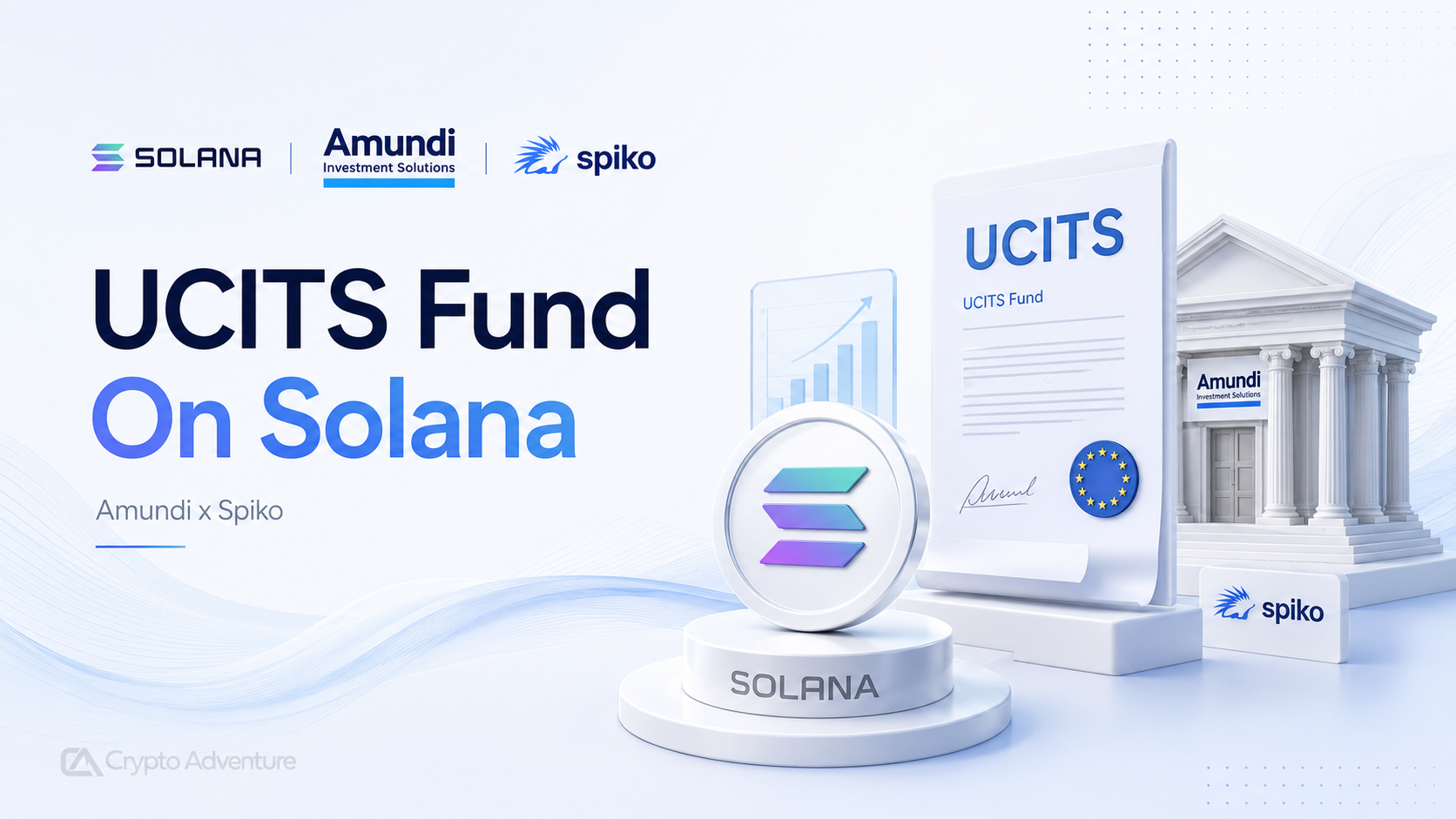
Amundi and Spiko are bringing the Spiko Amundi Overnight Swap Fund, known as SAFO, to Solana, giving the network a new institutional-grade tokenized fund product tied to treasury and collateral management. The move connects Europe’s largest asset manager with one of crypto’s fastest RWA chains, and it gives Solana another regulated fund structure beyond tokenized stocks, stablecoins and treasury-style products.
SAFO is not a memecoin-style token launch or a simple synthetic asset. It is a tokenized sub-fund of SPIKO SICAV, regulated under French law, built for eligible professional investors that need cash-equivalent exposure, 24/7 transferability and programmable access. The fund was introduced by Amundi and Spiko in March as a product for corporates and financial institutions managing treasury operations and collateral.
The structure matters because it brings fund administration, custody, shareholder-register transparency and blockchain settlement into one product. Amundi serves as delegated investment manager, CACEIS acts as depositary bank and fund administrator, while Spiko handles transfer-agent, tokenization and brokerage functions for the fund shares. Chainlink provides onchain NAV infrastructure, and the shareholder register initially used Ethereum and Stellar with room to expand to additional networks.
Solana now becomes part of that expansion path. The chain already has rising RWA activity, with RWA.xyz tracking about $2.42 billion in distributed asset value on Solana, up more than 10% over 30 days. That puts the network into a more serious competition zone for tokenized funds, tokenized equities, private credit, reinsurance and onchain collateral products.
Tokenized Cash Management Is Becoming A Real Use Case
SAFO is designed around overnight liquidity and fully collateralized total return swaps with top-tier banking counterparties. BNP Paribas is the first named counterparty, and the fund is available in EUR, USD, GBP and CHF share classes, with subscriptions and redemptions starting from one unit of the relevant currency. That design targets institutions that want yield-bearing cash management without losing the operational benefits of tokenized fund shares.
The fund’s role is closer to institutional working capital than speculative crypto exposure. A corporate treasury, stablecoin issuer, trading firm or financial institution can use tokenized fund shares for cash allocation, collateral workflows or programmatic settlement through APIs and smart contracts. That is why Solana’s RWA push is becoming more important than a simple market-cap narrative. Tokenized assets are only useful at scale when they can move through custody, compliance, settlement and liquidity systems without breaking the legal structure around the underlying product.
The Solana integration also lands during a broader RWA expansion phase. The tokenized RWA market has already crossed $31 billion, with productive collateral, tokenized Treasuries and fund shares becoming the strongest institutional use cases. Solana has also been gaining traction as tokenized assets move beyond Ethereum-only issuance, including Circle’s USYC expansion to Solana.
Solana Gets A Stronger Institutional Test
The next question is whether Solana can convert tokenized fund issuance into sustained institutional usage. Low fees and fast settlement help, but regulated funds require more than throughput. Investors need qualified custody, clear redemption rights, reliable NAV reporting, transfer controls, jurisdictional rules and clean integration with existing treasury systems.
That makes SAFO a useful test case. Amundi manages close to €2.4 trillion in assets, while Spiko has scaled rapidly as a European fund tokenization platform with $1.7 billion in tokenized assets since 2024. Their Solana move gives the chain a stronger institutional label in the RWA race, but the measurable signal will be fund adoption, transfer activity, eligible-investor usage and whether tokenized shares become useful collateral inside real treasury and trading workflows.
Solana’s RWA stack now has a clearer cash-management layer attached to a European UCITS structure. If SAFO activity grows on Solana, the chain’s institutional story shifts from fast consumer trading and tokenized-equity experiments toward regulated fund settlement, collateral mobility and 24/7 treasury infrastructure.
The post Amundi And Spiko Bring Tokenized UCITS Fund To Solana appeared first on Crypto Adventure.