SEC’s Peirce Says Some Crypto Vaults And Onchain Loans May Be Securities
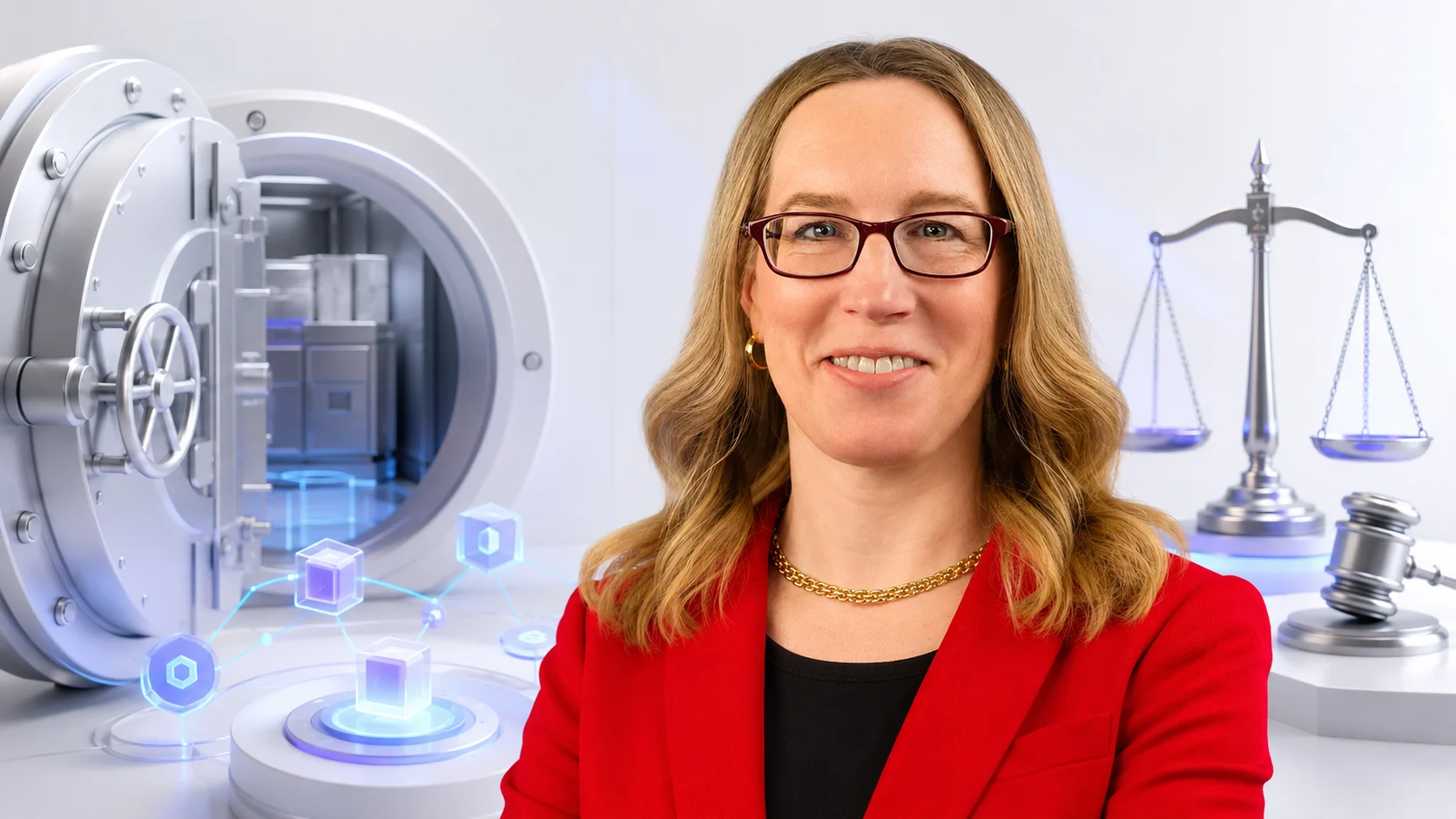
SEC Commissioner Hester Peirce said crypto vaults and onchain lending strategies may fall within federal securities laws when operators make managerial decisions over user assets, lending terms or yield allocation.
Vaults typically use smart contracts to deploy deposited crypto across staking, lending and other yield-generating strategies. Peirce said their legal treatment will depend on how much control remains with immutable code and how much is exercised by deployers, curators or other managers.
A vault could constitute an investment contract when users contribute assets with an expectation of profits derived from the managerial or entrepreneurial work of another party, Peirce wrote in a July 22 statement on crypto vaults and lending strategies. A structure that holds securities or allocates capital to securities investments could also fall under the Investment Company Act.
Peirce outlined structures resembling unit investment trusts with fixed portfolios, actively managed investment companies and separately managed accounts offering individualized treatment. The statement reflects her views as a commissioner and does not establish a new SEC rule or binding legal classification.
Lending Terms Bring Separate Legal Questions
Onchain lending products allow users to supply assets to smart contracts that extend loans to borrowers in exchange for interest. Managers may select supported assets, adjust interest rates, set loan-to-value ratios and determine liquidation thresholds.
Those decisions can create securities-law questions even when the deposited or borrowed crypto asset is not itself a security. Peirce said some onchain loans could carry the characteristics of securities notes depending on the parties’ motivations, distribution structure and other circumstances.
Operators involved in selecting strategies or managing user portfolios may also fall within investment adviser rules. Each product requires a separate analysis of its contracts, governance, asset mix, managerial control and relationship with depositors.
The warning arrives as exchanges and asset managers expand automated yield products. Kraken’s Bitcoin Vault deploys customer assets across Aave, Morpho and Tydro through third-party managers and smart-contract infrastructure, illustrating the layered structures regulators may examine when determining which entity controls investment decisions.
SEC Seeks Industry Input On DeFi Rules
Peirce said moving an activity onchain does not remove it from securities regulation when the underlying structure already falls within the SEC’s jurisdiction. She also cautioned the agency against extending its authority beyond the limits established by Congress or interfering with developers’ free-speech rights.
The comments follow the SEC’s Project Crypto initiative to modernize rules for onchain markets, including proposals covering trading, custody, token distributions, staking and lending. SEC Chair Paul Atkins has also directed staff to explore tailored exemptions for crypto business models that do not fit existing registration frameworks.
Peirce invited vault developers, lending platforms and other market participants to approach the SEC about compliant structures and submit proposals for updating rules that unnecessarily block onchain products. The Crypto Task Force continues to accept industry input without setting a public deadline for vault or lending submissions.





Post Comment
You must be logged in to post a comment.