CLARITY Act Faces 60-Vote Senate Test Before August Recess
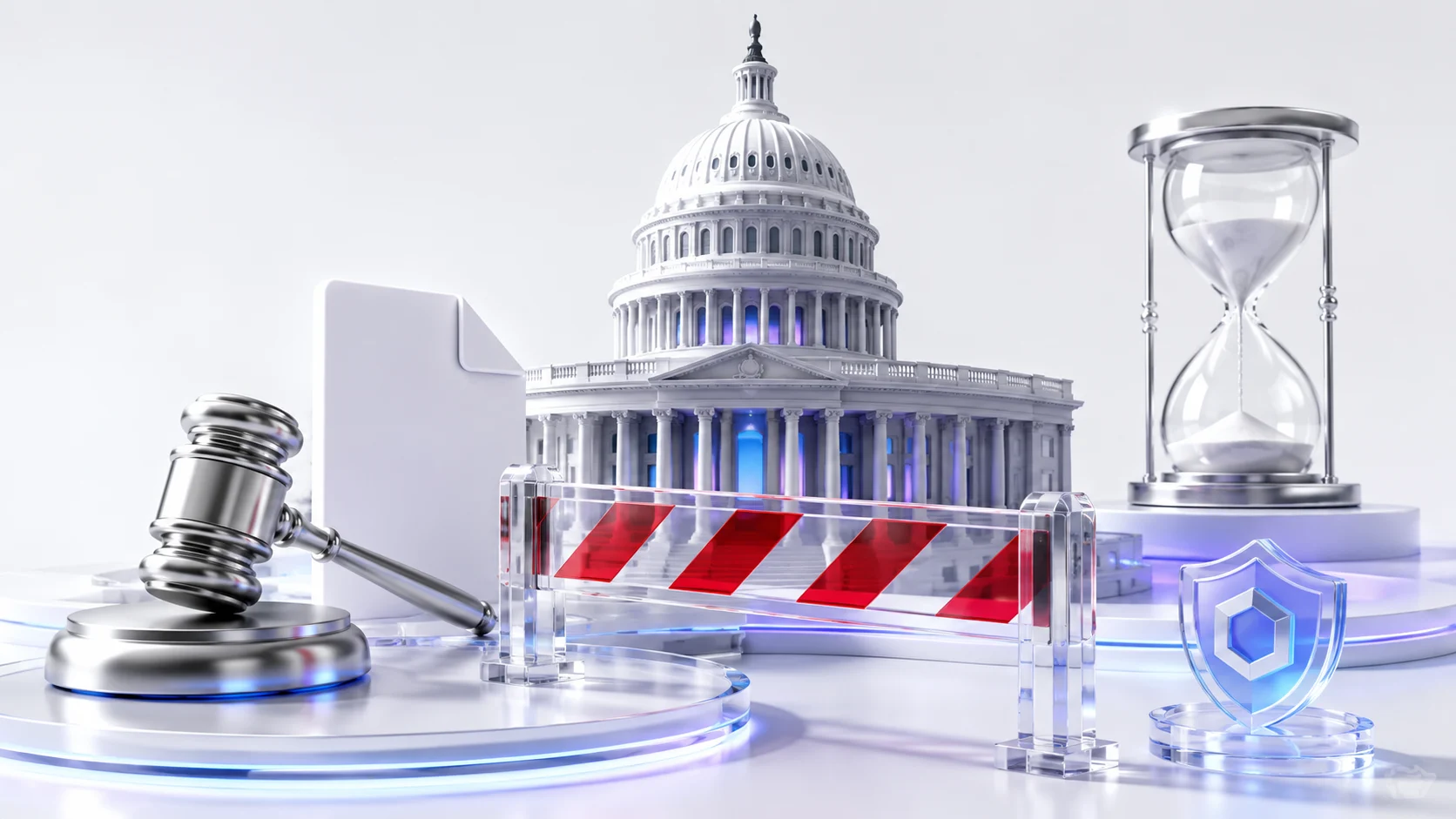

The CLARITY Act is entering a three-week Senate window with no floor vote scheduled and several disputes still separating the crypto market-structure bill from the 60 votes needed to advance.
H.R. 3633 would place secondary trading in digital commodities under the Commodity Futures Trading Commission while preserving Securities and Exchange Commission authority over securities, initial token offerings and related disclosures.
The Senate Banking Committee advanced the bill 15-9 on May 14, with Democratic Sens. Ruben Gallego and Angela Alsobrooks joining all 13 Republicans. Both Democrats have left their floor support open as negotiations continue over ethics, illicit finance and stablecoin provisions.
Republicans hold 53 Senate seats, leaving the bill at least seven votes short if Democrats mount a filibuster and every Republican supports cloture. The chamber is scheduled to begin its summer recess after Aug. 7.
The bill already missed the White House’s July 4 target, narrowing the remaining floor window before lawmakers leave Washington.
Trump Crypto Income Revives Ethics Fight
President Donald Trump’s latest financial disclosure placed more than $1.4 billion of his 2025 income with crypto ventures, including World Liberty Financial and licensing tied to the TRUMP meme coin.
The disclosure renewed Democratic demands for restrictions covering crypto holdings, token sales and business interests tied to senior government officials and their families. An ethics amendment failed during the Banking Committee markup, leaving the conflict-of-interest fight unresolved before the floor stage.
Stablecoin rewards remain another obstacle. Section 404 would prohibit payments on idle stablecoin balances when they function like interest on a bank deposit, while preserving rewards connected to payments, transactions and other customer activity.
Banks want tighter restrictions on third-party rewards that could pull deposits from insured lenders. Crypto companies have opposed a broader ban that would prevent exchanges and payment platforms from competing through stablecoin incentives.
Developer Protections Remain In The Negotiations
Section 604, the Blockchain Regulatory Certainty Act, would prevent non-controlling software developers and infrastructure providers from being treated as money transmitters solely for publishing code, supplying self-custody tools or maintaining blockchain infrastructure.
The protection applies when a developer cannot independently control or execute transactions involving user assets. It does not shield conduct involving funds known to come from criminal activity or intended to support unlawful activity.
Supporters view the language as protection for open-source development, validators and non-custodial services. Opponents are seeking narrower boundaries around DeFi interfaces, sanctions compliance and software that can facilitate financial transactions.
Sen. Cynthia Lummis has continued pushing to bring the bill to a floor vote before the Senate leaves on Aug. 7. The chamber is scheduled to return Sept. 14.





Post Comment
You must be logged in to post a comment.