Tether Brings USDT Back To Bitcoin With RGB Rollout
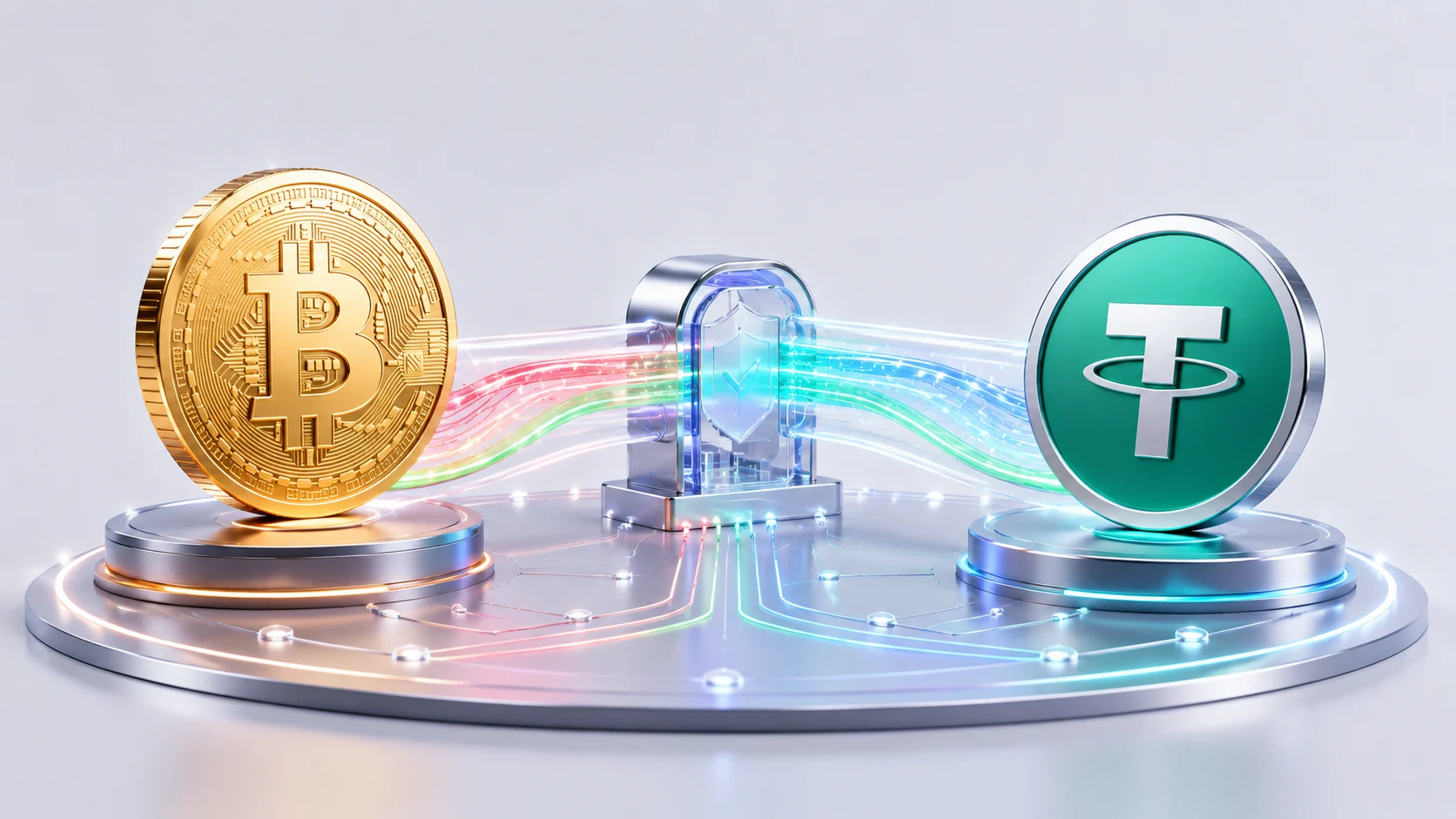

Tether is moving USDT back toward Bitcoin through RGB, giving the world’s largest stablecoin a fresh route onto the network where it first appeared in 2014 through Omni-Mastercoin.
The company’s USD₮ launch on RGB would let users hold and transfer the stablecoin directly through Bitcoin-compatible wallets while using RGB’s client-side validation model. The commercial rollout is being led by Utexo, which is building the infrastructure layer for Bitcoin-native USDT settlement.
USDT’s largest markets have moved far beyond Bitcoin over the past decade. Ethereum, Tron, Solana, BNB Chain and other networks now handle most stablecoin movement, with users choosing chains based on fees, liquidity and exchange support. Tether’s user base surpassed 500 million as stablecoin demand expanded across payments, trading and dollar storage.
RGB Gives Bitcoin A Stablecoin Path
RGB v0.11.1 is live on Bitcoin mainnet and allows developers to issue, send and manage assets, including stablecoins, on Bitcoin and the Lightning Network. The protocol uses client-side validation, anchoring proofs to Bitcoin while keeping most asset data away from the public chain.
The RGB v0.11.1 mainnet release opened the door for Lightning-based transfers, giving wallet and infrastructure teams a route for faster payments while still using Bitcoin as the commitment layer. For Tether, that creates a path to USDT transfers through Bitcoin addresses without relying on the Omni layer that carried the stablecoin’s earliest version.
Utexo’s product stack includes USDT payment APIs for businesses, payment service providers, exchanges, custodians and wallet teams, with Lightning infrastructure available through its cloud product. Tether CEO Paolo Ardoino said Utexo enables Bitcoin-native USDT settlement through Bitcoin and Lightning, strengthening Bitcoin’s role as a global rail for dollar transactions.
Rollout Centers On Wallets And Exchanges
The first commercial integrations could arrive as early as July, with Utexo expected to support native Bitcoin addresses, Lightning transfers and compatible wallet flows. Tether Wallet is also expected to support the feature later, alongside exchange integrations.
The rollout lands while stablecoin competition is becoming more network-specific. BNB Chain led stablecoin user activity as Polygon, Base, Celo and Arbitrum competed for low-cost payment and transfer flows. Bitcoin has remained dominant as a reserve asset and settlement network, but it has not been a major venue for everyday USDT movement since Omni lost relevance.
Tether has also been deepening its Bitcoin exposure beyond payment rails. The company acquired nearly 10,000 BTC in Q4, reinforcing a broader strategy that ties USDT’s scale to Bitcoin infrastructure, reserves and long-term settlement demand.
USDT on RGB would still depend on Tether as the issuer, with wallet support, exchange integration, liquidity and user experience deciding how quickly the new rail becomes useful. The initial rollout is centered on Utexo’s infrastructure layer, Bitcoin-native addresses, Lightning compatibility and later support from Tether Wallet and exchanges.





Post Comment
You must be logged in to post a comment.