OpenAI Discussed Giving U.S. Government A 5% Stake In Early Trump Talks
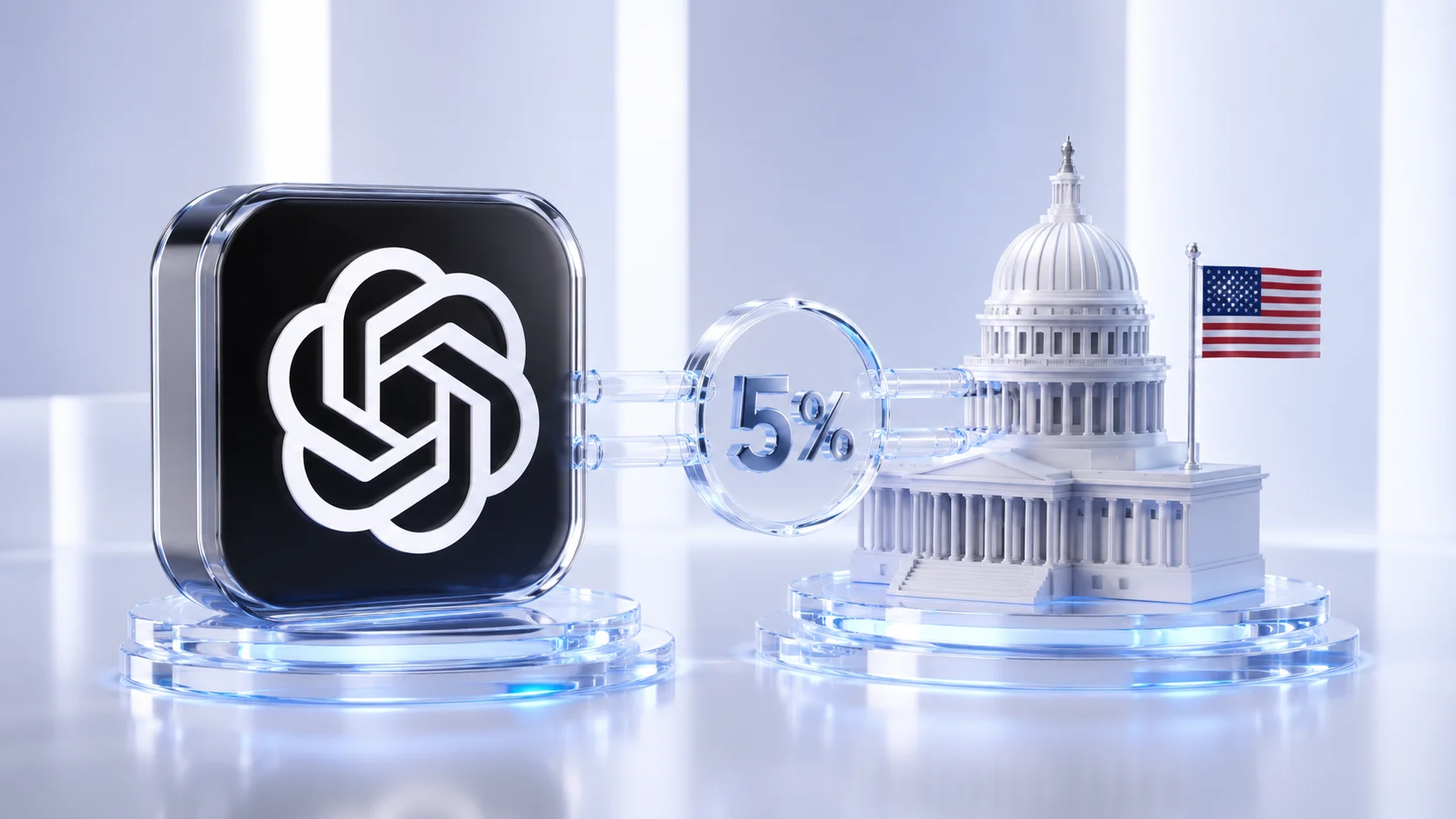
OpenAI has discussed giving the U.S. government a 5% stake as part of early talks with the Trump administration over public ownership in frontier AI companies.
The proposal would place Washington on OpenAI’s cap table before any public listing, with Sam Altman pitching the idea as one part of a wider plan for the government to hold 5% stakes in leading U.S. AI developers. The model would run through a sovereign-wealth-style vehicle designed to give Americans exposure to gains from artificial intelligence.
The talks remain early-stage. No final agreement has been announced, and no U.S. government equity stake in OpenAI has been confirmed. The plan would also depend on whether other major AI companies agree to participate, with Anthropic, Google and Meta named among the firms that could be asked to follow a similar structure.
OpenAI’s valuation was recently placed at $852 billion, making a 5% stake worth about $42.6 billion on that figure. The company has also been moving closer to public-market scrutiny, with a potential OpenAI IPO already drawing attention from investors, AI users and companies building around frontier-model access.
Public Wealth Fund Idea Links AI Gains To Citizens
OpenAI already floated a Public Wealth Fund in an April policy paper on industrial policy for the intelligence age. The proposal described a fund that could give every citizen, including people not invested in financial markets, a stake in AI-driven economic growth.
That earlier policy paper did not set a fixed 5% equity transfer. The new discussions add a possible number and structure: direct government ownership in OpenAI and potentially other leading U.S. AI firms through a public investment vehicle.
Altman has used Alaska’s Permanent Fund as a comparison for the idea. Alaska’s fund invests oil-related wealth and pays annual dividends to eligible residents. The AI version would apply a similar public-wealth concept to equity gains from companies building and deploying advanced models.
The proposal also fits the company’s capital needs. OpenAI’s large compute spending has become a central issue as revenue scales. The company recently burned $3.7 billion in the first quarter while revenue reached $5.7 billion, keeping financing, valuation and governance tied closely to its next stage of growth.
No Final Deal Announced
The talks come as Washington increases its role in AI oversight, export controls, model access and national-security review. A public stake would create a financial link between the government and companies it also regulates, making the legal structure, voting rights, dividend rights and conflict rules central details if the idea advances.
Several points remain unresolved. The proposal has not been converted into legislation, no fund terms have been published, and no participation commitments have been announced from Anthropic, Google or Meta. The structure would also need to define whether the government receives voting shares, non-voting shares, warrants, future IPO stock or another instrument.
OpenAI has not announced a signed agreement with the U.S. government. As of July 2, the proposal remained in early talks, with the 5% figure tied to OpenAI and a broader plan for similar stakes in leading American AI developers.



Post Comment
You must be logged in to post a comment.