Ron Baron Seeks $1B In SpaceX IPO Shares As He Eyes $20T Long-Term Upside
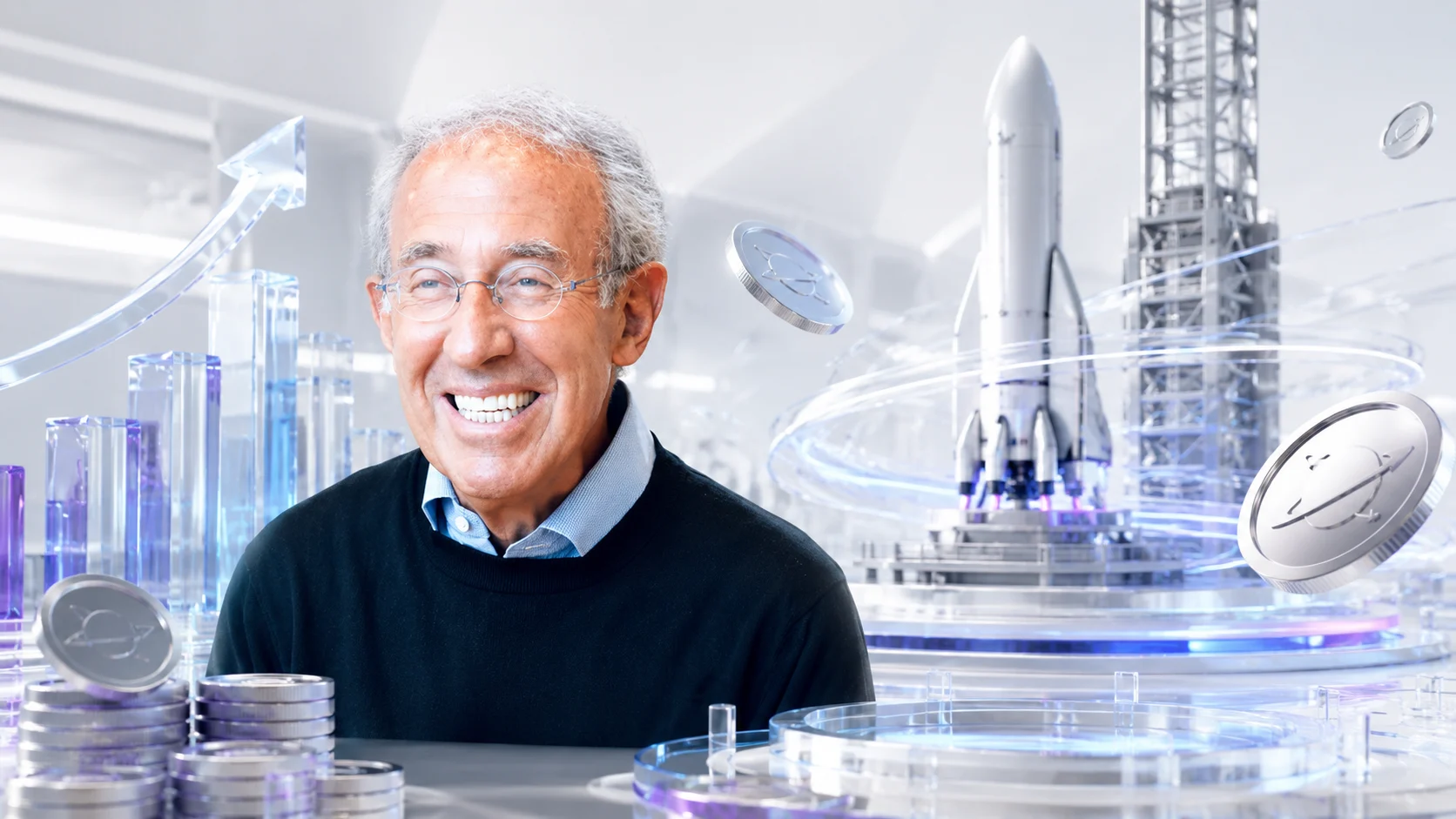
Billionaire investor Ron Baron is trying to add another $1 billion of SpaceX shares in the company’s IPO, doubling down on one of his firm’s defining private-market bets as demand for SPCX accelerates.
Baron has said he has a $1 billion order for SpaceX IPO shares, although he also warned that he may not receive the full allocation if the offering is heavily oversubscribed. His latest comments, amplified again as SpaceX’s listing approaches, frame the rocket and satellite company as a lifetime holding rather than a short-term IPO trade.
The conviction is not new. Baron Capital started buying SpaceX in 2017, when the company was valued far below today’s IPO range. The Baron Partners Fund’s Q1 2026 letter listed SpaceX as its largest holding, with the fund’s position valued at about $3.89 billion at quarter-end against a $110 million cost basis.
Starlink Drives The $20T Thesis
Baron’s most aggressive forecast is tied to Starlink. He believes SpaceX can become one of the largest companies in the world over the next 10 to 15 years, with long-term valuation scenarios reaching the $10 trillion to $30 trillion range. The central driver is Starlink’s potential to become a global internet utility rather than only a satellite broadband service.
The math is ambitious. Baron’s bullish case has pointed to hundreds of millions of future Starlink customers, enterprise and government demand, direct-to-device connectivity, orbital infrastructure and AI-related services. In that scenario, Starlink alone could eventually approach $1 trillion in annual revenue if global adoption, pricing and high-margin services scale far beyond today’s base.
That forecast is not guaranteed. It depends on Starship deployment, satellite capacity, regulatory approvals, spectrum rights, user growth, hardware costs, competition, data-center ambitions and whether Starlink can move from broadband access into broader communications and AI infrastructure markets.
Still, the investor case is clear. Rockets give SpaceX launch cost control. Starlink gives it recurring revenue. Starship could expand satellite deployment and lower cost per unit. AI infrastructure could add a much larger long-term market if SpaceX can turn orbital compute, connectivity and data movement into a real business.
IPO Demand Is Already Massive
SpaceX’s planned IPO is already one of the most important market events of the year. The company’s SEC-filed IPO materials show 555,555,555 Class A shares at $135 per share, equal to a base offering of nearly $75 billion. Underwriters also have an option for another 83,333,333 shares, which could push gross proceeds above $86 billion if fully exercised.
That scale makes Baron’s $1 billion order meaningful, but not dominant. It would represent about 1.3% of the base offering if filled in full. The harder question is allocation, because the IPO is already drawing enormous demand. SpaceX’s order book has been reported at roughly 2x oversubscribed, with investor interest around $150 billion against a $75 billion base raise.
The demand reflects more than Musk enthusiasm. Public investors are trying to buy exposure to reusable rockets, Starlink, AI compute, defense contracts, global broadband, satellite infrastructure and a private company that has already become difficult to access outside tender offers and specialized funds.
Crypto Markets Are Trading The Same Demand
Crypto-native markets have already turned SpaceX into a tradable pre-IPO theme. Bybit opened a tokenized SpaceX IPO subscription through xStocks, while Coinbase launched SpaceX pre-IPO futures for eligible non-U.S. traders.
That matters because SpaceX demand is now competing with the same risk capital that usually rotates through Bitcoin, AI stocks, private tech and tokenized equities. SpaceX also carries a direct crypto link after its filing revealed a large Bitcoin treasury, giving the IPO another angle for digital-asset investors.
Baron’s $1 billion order now adds a familiar long-term buyer to the story. He is not betting on a quick first-day pop. He is betting that SpaceX can keep compounding through Starlink, launch dominance and AI infrastructure until today’s near-$1.8 trillion valuation looks small in hindsight.
The risk is that the market is already pricing a large part of that future. A $20 trillion SpaceX would require execution across several enormous businesses at once. Baron is willing to wait for that outcome. Public investors buying SPCX will soon have to decide how much of it they want to pay for on day one.