South Korea’s DAXA Tightens Crypto Exchange API Controls
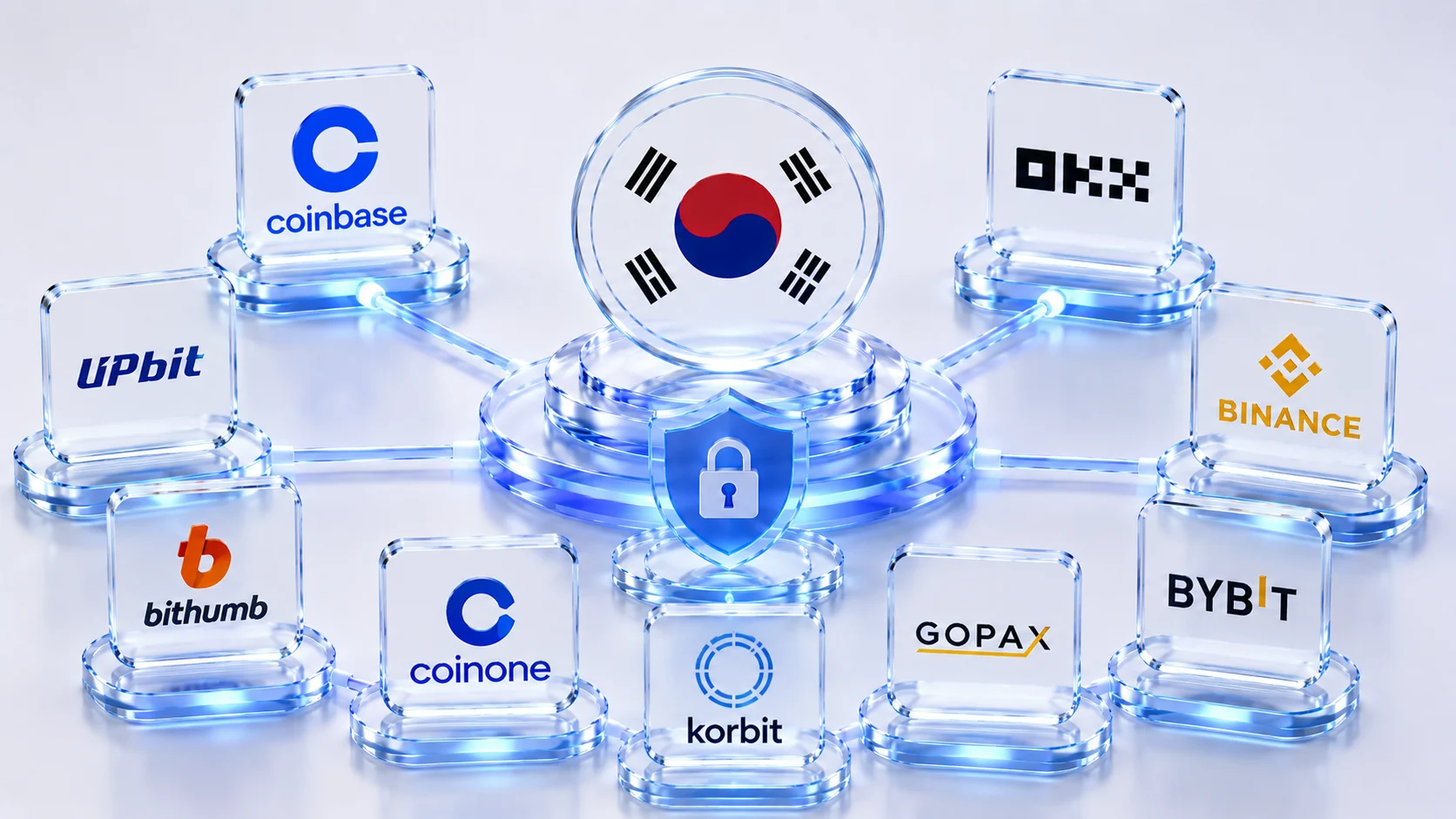

South Korea’s Digital Asset Exchange Alliance has introduced a new API-key compliance standard for domestic crypto exchanges, tightening controls over automated trading tools that regulators fear can be used for market manipulation.
The new DAXA API-key standard requires member exchanges to take stepped action when an API key is suspected of improper sharing or lending. The measures can include closer monitoring, user warnings, repeat identity verification, and forced expiration of the API key.

DAXA Moves Against Shared API Keys
API keys allow users and external programs to connect directly to an exchange for price data, balance checks, order placement, deposits, and withdrawals. They are useful for automated trading, portfolio tools, and institutional workflows, but they can also become a serious risk when shared with third parties or used across coordinated accounts.
DAXA’s move follows growing concern that improperly shared API credentials can support spoofing, wash trading, artificial volume, and coordinated price manipulation. South Korea’s Financial Supervisory Service previously warned that API-driven activity now represents around 30% of domestic virtual-asset trading turnover, making automated systems too large to treat as a niche corner of the market.
The country’s largest domestic exchanges, including Upbit, Bithumb, Coinone, Korbit, and Gopax, are expected to strengthen API monitoring under the standard. Member exchanges are also deploying IP whitelisting systems so API access can be limited to addresses registered by the user.
Automated Trading Faces More Scrutiny
The timing is important because South Korea remains one of the world’s most active crypto markets. Won-denominated trading has already made the country a major force in global spot activity, while local liquidity remains heavily concentrated around Upbit and Bithumb. That concentration gives exchange controls, listing decisions, and compliance standards an outsized effect on Korean crypto flows, as seen across recent market activity in South Korea’s high-volume crypto market.
The API crackdown also lands during a broader reset for Korean exchange oversight. Bithumb recently secured a court pause on a six-month partial business suspension, while regulatory pressure around identity controls, transfer monitoring, and platform risk continues to shape the domestic market. The wider compliance fight has already turned Bithumb’s court battle into a key test for how far enforcement can go before disrupting exchange access.
For users, the message is straightforward: API keys should be treated like high-risk account credentials, not casual login tools. Shared access, weak permissions, unregistered IPs, and unknown trading bots can expose accounts to losses, compliance flags, forced key expiration, and potential market-abuse investigations.
For exchanges, DAXA’s standard raises the bar. Automated trading is now too important to ignore and too risky to leave loosely controlled, especially in a market where domestic platforms are drawing deeper financial-sector attention, including Samsung’s recent move into Dunamu, the operator of Upbit.